

What Is Accreditation?
Calibration vs. Verification
Calibration and verification are commonly used terms across many scientific disciplines and industries with varied, yet similar, meanings. In addition, the connotation of the two terms has changed and evolved over time. So closely related, these terms are often used interchangeably by mistake.
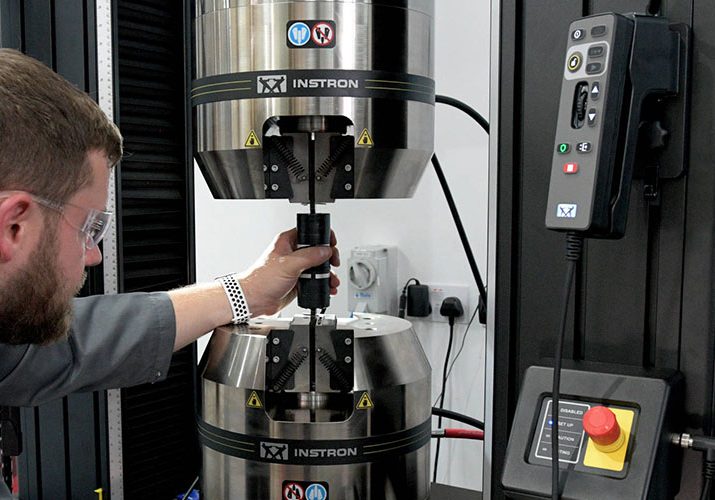
The process of calibration is the comparison of the customer’s device to a reference standard the Field Service Engineer uses. For force, it would be the customer’s load force weighing system (load cell and electronics) against the Field Service Engineer’s working standard. For displacement, the process is the comparison of the customer’s displacement measuring system to the Field Service Engineer’s working standard. We do a comparison of the two devices and determine the difference between them, to achieve a measurement result (commonly referred to as the error). A calibration does not make any assessment of Pass or Fail.
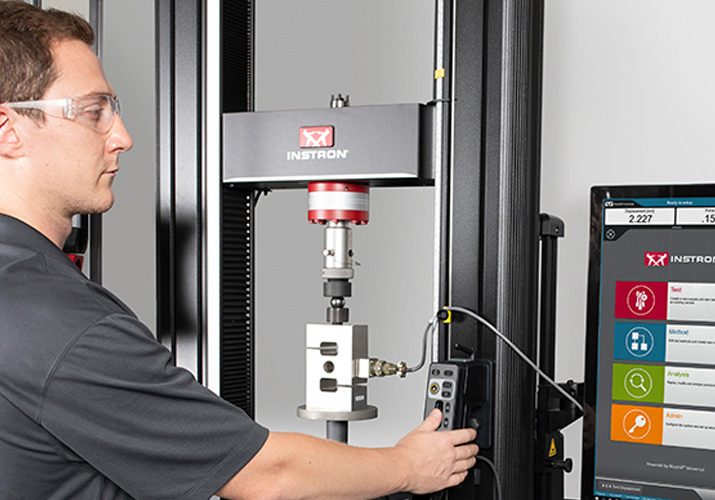
Verification takes the measurement result (the error) from the calibration and checks it against the standard to see if it meets the standard’s requirements. In other words, verification classes the machine based upon the error identified and other criteria from the calibration. The verification determines if the device being calibrated meets the requirements and makes a statement of conformance, Pass or Fail.

Calibration Certificates
What Are Digitally Encrypted Calibration Certificates?
Digitally encrypted calibration certificates are electronic files that have an encrypted algorithm embedded and hidden within the file. If such files are altered, a message is displayed within the document to warn the viewer.
Instron calibration laboratories only provide digitally encrypted calibration certificates. When a calibration certificate is approved, we apply a digital signature, which looks like a normal signature. If the document was to be altered, the signature block would display a warning message to indicate a change has taken place since the digital signing.
